
Prenatal Therapeutics: The Next Frontier of Modern Medicine
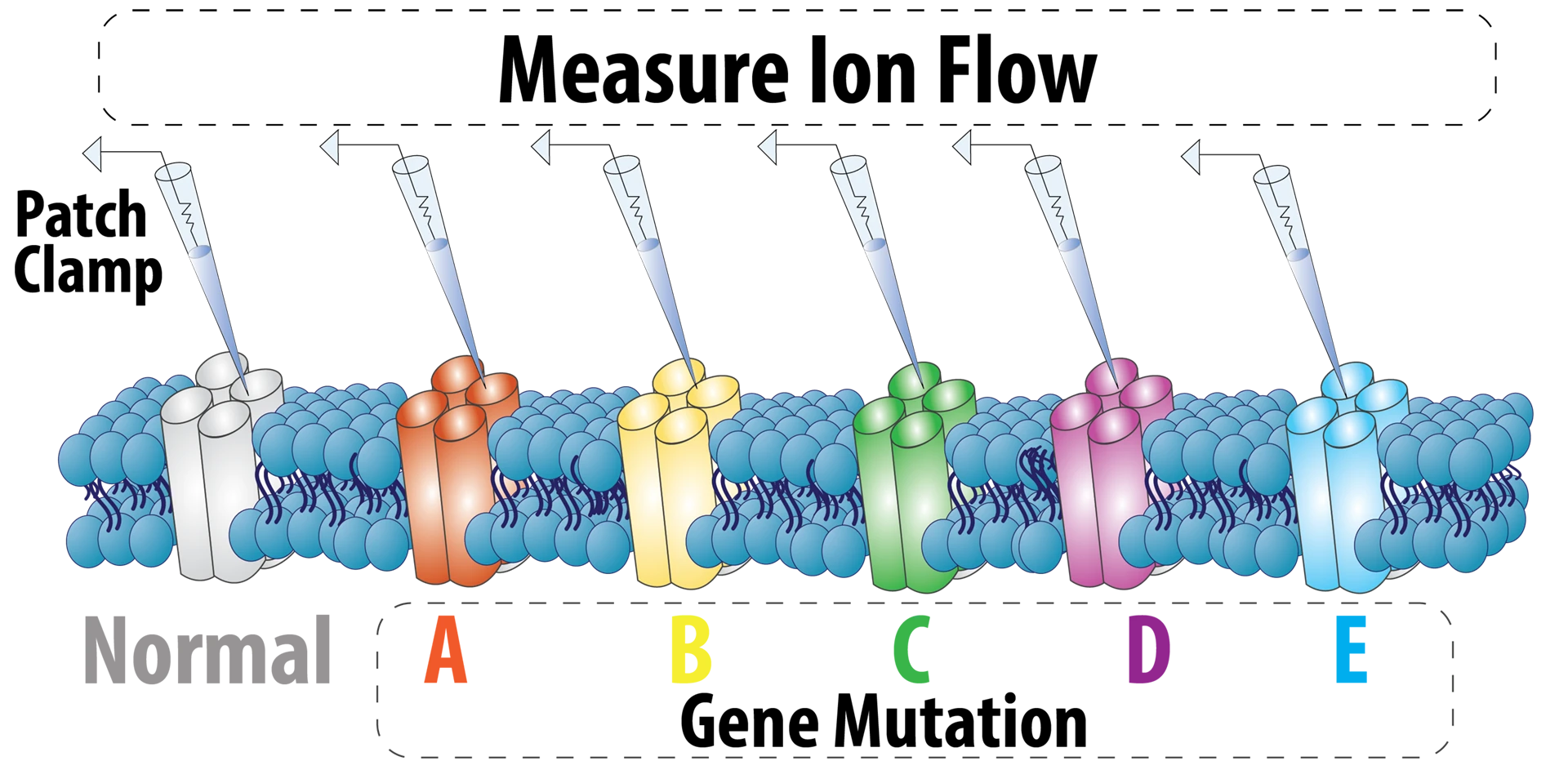
The Smith Lab at Northwestern University is using patch-clamp electrophysiology to identify early, targetable disease biomarkers (ion flow) to develop next-generation therapies.
While current pediatric treatments focus on managing symptoms after birth (toddler age), the perinatal brain is a critical window for intervention, and ion-conducting genes are poorly benchmarked at this early time point. Dr. Rich Smith’s lab addresses this gap by using patch-clamp electrophysiology to establish the neurophysiological profile of common neurological disorder genes and mutations in a developmental neuron model. Their team recently co-developed an RNA therapy capable of targeting the perinatal window for treatment-resistant epilepsy associated with early mortality in children (Golinski et al, 2025). This work offers proof of concept for the development of next-generation in utero prophylactic interventions that can be expanded to other early-onset conditions (e.g., autism). The Smith Lab will first profile the most common brain disorder ion channel–associated genes affecting newborns (e.g., epilepsy, a disease that affects 450,000+ children in the U.S.). This research will provide a “target-rich” resource dataset of ionic fluxes in developing brain for the academic and biotech communities to inform new strategies for clinical care during the perinatal period.